

This video is an excerpt from CLL Global Research Foundation’s October 2025 Virtual Town Hall featuring CLL Global President, Dr. William Wierda, and Dr. Catherine Wu of Dana-Farber Cancer Institute. Watch the full town hall replay.
Expert Panel:
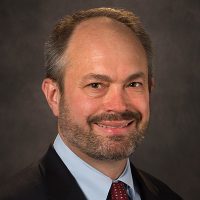
Dr. William Wierda, President & CEO, CLL Global Research Foundation
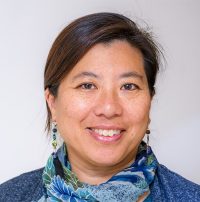
Dr. Catherine Wu, Chief in the Division of Transplant and Cellular Therapy, Dana-Farber Cancer Institute
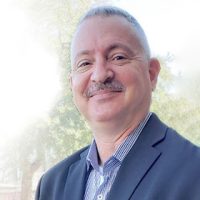
Jeff Folloder, Moderator and CLL patient advocate
Transcript:
Jeff Folloder: So, I’m going to start off with a question for Dr. Wierda. Betsy wants to know what research is being done on how to build the immune system of CLL patients?
Dr. William Wierda: That’s a great question. There’s a lot of work that’s going on, Dr. Wu – both Dr. Wu and I have a strong interest in this particular area.
We at MD Anderson have received some donor funds and have a program that we’re working on to first understand what are the fundamental aspects of immune dysregulation for our patients with CLL? CLL is a very unique disease. That was what drew my interest many, many years ago, and that patients don’t have a normal immune system, a normal immune function.
And so, getting that understanding – why that is and how we can correct and fix that – is something that we’ve talked about and worked on for many years. So, we have laboratory investigators here at Anderson who are working on various aspects of that. Others are working on it, I’m sure. I know Cathy’s group is also working on it. We’re interested in developing vaccinations or vaccines directed at the leukemia cells. There are multiple components to the whole effort.
And again, that in my view is to understand what are the fundamental abnormalities that result in the immune dysregulation. Then we can start thinking about and talking about, okay, how can we intervene and correct those? Historically, we haven’t had a lot of therapies that have been effective at fixing immune dysfunction.
We talk about steroids and using steroids for patients who have overactive immune systems, but there haven’t been really any good therapeutic strategies to fix immune dysfunction. Stem cell transplant has been used for patients who have severe immune deficiencies. But we have a group that’s – members of our group that are working on agents that may have some immune restorative potential. And then we have a group that’s working on various aspects of vaccination.
Dendritic cells are a cell type that one of our collaborators who works with Dr. Allison is working on with us as well. And maybe I can invite Cathy to speak on her work because I know they have been doing exciting and interesting work in this area as well.
Dr. Catherine Wu: Yeah. Thank you. Thank you, Bill. I totally agree with everything he said. I think that in the current age, again, because we have the tools to do so, it becomes really fascinating to see, for example, on clinical trials, as patients eliminate their disease, can we understand what impact that has on restoring the functionality of our immune system, of the immune system of patients with CLL. I’ve had a long-time interest, and our group has had a long-time interest in vaccines. Back in the day, we were thinking about using whole tumor cells, so leukemia themselves, as a vaccine agent.
And then there’s a trial that I was involved in already more than 10 years ago, where we took CLL cells; they were irradiated so that they would not expand, but the patient’s own whole tumor cells were given back as a vaccine for patients with CLL who went through stem cell transplants. And we were able to show that there were very nice, strong immune responses against the patient’s own CLL cells that happened after whole tumor cell vaccination.
That inspired me to try to get a little bit more specific. So, with a whole tumor cell, it’s hard to know what are all the components that are in that cell. And so, with the availability of next-generation sequencing – DNA and RNA sequencing – we were able to be one of the first to create a pipeline that allows one to identify each tumor’s specific mutations.
And then also to predict what – which one of those mutations might be something that the immune system could attack. So, this is kind of the road toward getting toward personalized vaccines. And, in fact, we’ve already completed clinical trials for that in melanoma, in glioblastoma, renal cell. We’re just finishing a trial on ovarian cancer, but I’ve always been interested in trying to bring it back to CLL.
So, we have an ongoing study right now where one arm is patients who are just getting vaccine alone. Again, one arm is getting vaccine with anti-P – PD-1 antibody; sorry. The second arm is actually the vaccine with what we call metronomic cyclophosphamide (Cytoxan). And this is cyclophosphamide, given at very small doses to alter the immune milieu and get rid of some of the suppressive – immunosuppressive – cells.
And then the final arm is to add the vaccine together with the metronomic cyclophosphamide and anti-PD-1 therapy. I will say that again: the vaccine starts with the patient’s tumor being sequenced. We analyze the sequencing for mutations; from those mutations, we do some prediction, and ultimately we generate a series of personalized peptides that we administer to the patients as a shot, and they’re given in series, and they’re very well-tolerated. But we’re already seeing some immune responses. We’ll have to see how the results pan out, but certainly this is a larger effort to try to think about personalized vaccines.